Dehumidifiers for Homes: How to Choose, Install, and Maintain
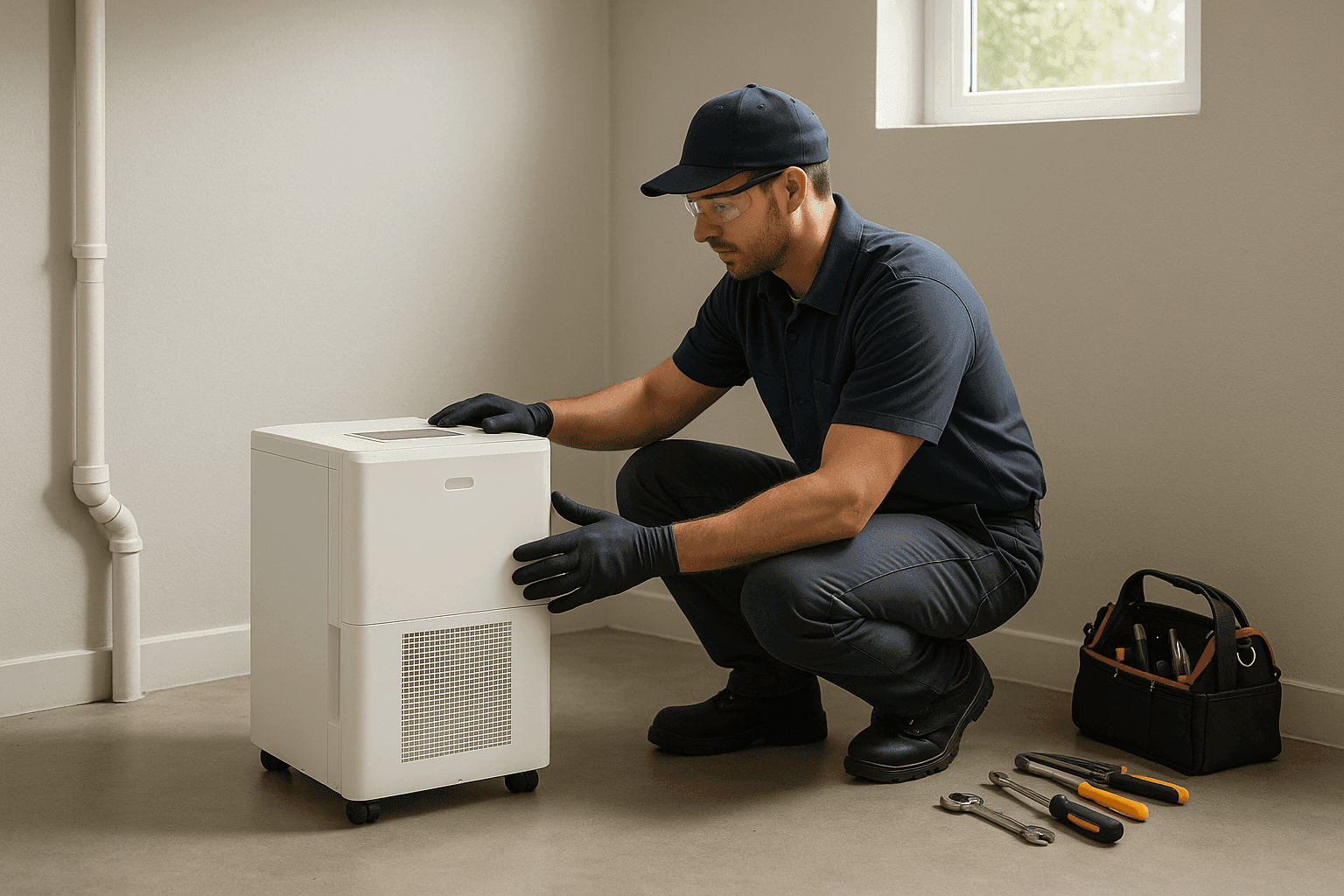
Humidity. It sneaks in like a fog, making your home feel muggy and your skin sticky. You might notice musty smells, damp corners, or even spots of mold creeping onto the walls. These are more than annoyances—they’re warning signs.
At Urban Cooling Services, we know that managing indoor moisture isn’t just about comfort. It’s about protecting your family’s health, your home’s structure, and your energy bills. Let’s break down what you need to know about dehumidifiers—from picking the right one to keeping it humming for years.
Why Dehumidifiers Matter for Homes 🌬️
Think of excess humidity as a slow leak in your home’s comfort. Too much moisture can:
- Make the air heavy and uncomfortable
- Encourage mold growth (a danger to lungs and walls alike)
- Warp wood floors and doors
- Invite dust mites—bad news for allergies
- Cause musty odors that linger
The U.S. Environmental Protection Agency (EPA) recommends keeping indoor humidity between 30% and 50%—a sweet spot for comfort and air quality. In places with sticky summers or damp winters, hitting those numbers can be a real challenge.
Common Signs You Need a Dehumidifier
- Condensation on windows or pipes
- Persistent dampness in basements or crawlspaces
- Visible mold spots or mildew smells
- Allergy symptoms that get worse indoors
- Peeling paint or warped wood
If you spot these clues, it’s time to consider dehumidifiers near you.
How to Choose the Right Size and Type
Not all dehumidifiers are built the same. Picking the right one is like choosing the right-sized umbrella—you want enough coverage, but not too much bulk.
Sizing: Bigger Isn’t Always Better
First, figure out the size of the space you need to dry out. Measure square footage and note ceiling height. Next, estimate how damp the area usually is. The Association of Home Appliance Manufacturers (AHAM) provides helpful guidelines; for example:
- Slightly damp rooms (occasional mustiness): 10–12 pints/day for 500 sq. ft.
- Very damp rooms (wet spots, constant musty smell): 14–16 pints/day for 500 sq. ft.
- Wet areas (standing water, basement flooding): 18–20+ pints/day for 500 sq. ft.
For whole-house solutions, integrated HVAC dehumidifiers can handle large volumes, working with your existing cooling system.
Types of Home Dehumidifiers
- Portable units: Great for bedrooms, small basements, or laundry rooms. Move them where needed.
- Whole-house (ducted) dehumidifiers: Connect to your HVAC system for complete coverage. Higher upfront cost, but unmatched convenience and efficiency.
- Desiccant dehumidifiers: Use a drying material instead of refrigeration. Ideal for cooler spaces or specialty areas.
Features to Consider
- Automatic humidistats (set and forget)
- Continuous drainage options (no daily tank emptying)
- Filter alerts (for indoor air quality)
- Energy Star® certification (save on bills)
Installation Best Practices
Installing a dehumidifier isn’t rocket science, but a few missteps can cause headaches down the road. Here’s how to get it right.
For Portable Units
- Place on a level floor—never on carpet.
- Keep clear space around intake and exhaust vents (at least 6–12 inches).
- Direct drainage hose to a nearby floor drain or sink if possible.
- Plug directly into a grounded outlet. Never use extension cords (fire risk).
For Whole-House Systems
- Hire a licensed HVAC technician. Ductwork connections and electrical wiring require expertise and often must meet local codes.
- Check that the unit is properly sized for your home and system.
- Ensure dedicated drainage to prevent water backup or leaks.
- Verify all wiring meets National Electrical Code (NEC) standards.
Quick Safety Checklist
- Unplug before cleaning or servicing
- Never cover vents or block airflow
- Regularly inspect cords and hoses for wear
- Use only manufacturer-approved filters and parts
- Keep away from standing water and flammable materials
Maintenance & Troubleshooting
Like any equipment, dehumidifiers need regular TLC. Think of it like changing oil in your car—ignore it, and you’ll pay later.
Routine Maintenance Tips
- Clean the filter every 2–4 weeks. Clogged filters reduce efficiency and strain the motor.
- Empty the water tank daily (unless using continuous drain).
- Wipe down the coils and tank with a mild detergent every month.
- Check for frost buildup on the coils in cold weather.
- Test the humidity sensor by using a separate hygrometer.
Troubleshooting Common Issues
- Unit won’t turn on: Check the outlet, power cord, and circuit breaker.
- Not removing moisture: Make sure the filter isn’t clogged, and the room isn’t too big for the unit.
- Water leaks: Inspect for loose hoses or improper drainage setup.
- Strange noises: Rattling usually means a loose part; buzzing could signal a failing fan motor.
If problems persist, it’s time to call a cooling professional.
Seasonal Considerations: Beating the Humidity Swing
Humidity isn’t a year-round villain in every home. Here’s how to adapt:
- Spring: Watch out for sudden spikes as snow melts or rain increases.
- Summer: Hot air holds more moisture. Run your dehumidifier longer, especially in basements.
- Fall: Use in short bursts to dry out damp areas after heavy rain.
- Winter: If your home feels dry and static-y, consider a humidifier instead. Some homes experience condensation from heating—keep an eye on window sills.
Smart thermostats and home energy audits can help you stay on top of seasonal changes, making sure your cooling and air quality stay balanced.
When to Call a Pro vs. DIY
Some things are safe to handle yourself, like cleaning filters or plugging in a portable unit. But if you face any of these, bring in a licensed technician:
- Wiring or electrical issues
- Installing whole-house systems
- Persistent leaks or electrical shorts
- Mold contamination in ductwork
Homeowners can handle the basics, but cooling experts have the tools and training for complex problems—or when indoor air quality is at stake.
What To Expect When a Pro Arrives
When you call Urban Cooling Services, here’s what our team will do:
- Inspect your home for hidden moisture sources and mold risks
- Recommend the right size and type of dehumidifier for your needs
- Verify wiring and drainage for safety and code compliance
- Test run the unit and show you maintenance basics
- Offer advice on energy savings and seasonal adjustments
We follow recommendations from the EPA, CDC, and local building codes to keep your home safe and comfortable.
Prevention & Maintenance: Extending Equipment Life
A well-cared-for dehumidifier can last 5–10 years or more. Here’s how to get the most from your cooling investment:
- Change filters on schedule (mark your calendar)
- Keep vents clear of dust and debris
- Check hoses and tanks for leaks monthly
- Schedule an annual HVAC and IAQ checkup—stay ahead of surprises
Think of it as brushing your teeth for your home’s air. Small habits, big payoffs.
Costs & Time Factors
Dehumidifiers range from simple plug-and-play units to integrated whole-house systems. Here’s what to expect:
- Portable units: Typically install in under 15 minutes.
- Whole-house units: Installation takes several hours, sometimes a full day (including ductwork and electrical).
- Maintenance: Filter cleaning is a 5-minute job; deep cleaning takes 15–30 minutes.
As for cost, you’re investing in comfort, energy efficiency, and health. Utility bill savings can add up, especially with Energy Star® models.
When It’s an Emergency
Some moisture problems can’t wait:
- Standing water after a storm or flood
- Mold spreading rapidly
- HVAC or dehumidifier breakdown during a heat wave
In these cases, Urban Cooling Services offers 24 hour emergency service. Fast action is critical—don’t wait for the problem to grow.
FAQ
How do I know if I need a dehumidifier or a humidifier?
If your home feels damp, clammy, or smells musty, you likely need a dehumidifier. If your skin and sinuses feel dry and you notice static electricity, a humidifier may be better.
Can I run my dehumidifier all year?
It depends on your climate. In most homes, dehumidifiers run most in summer and spring. Monitor humidity levels and adjust as needed.
Are dehumidifiers noisy?
Most modern units are quiet enough for bedrooms, but whole-house systems are even less noticeable since they’re tucked away with your HVAC.
Will a dehumidifier help with allergies?
Yes. Lower humidity discourages mold, dust mites, and other allergens from taking hold.
Local and Seasonal Tips for Better Results
Humidity swings with the seasons, especially in areas with hot summers and cold winters. For maximum comfort and efficiency:
- Adjust settings as outdoor weather changes
- Use ceiling fans and whole-house fans to boost airflow
- Seal up leaks and insulate to keep outside humidity at bay
- Schedule a home energy audit for tailored advice
Smart, small tweaks make a big difference—year-round.
Ready to reclaim comfort and healthy air in your home?
Call Urban Cooling Services now — or reach us anytime at 844-484-9744 .