HVAC Maintenance Checklist: Prevent Breakdowns Year-Round
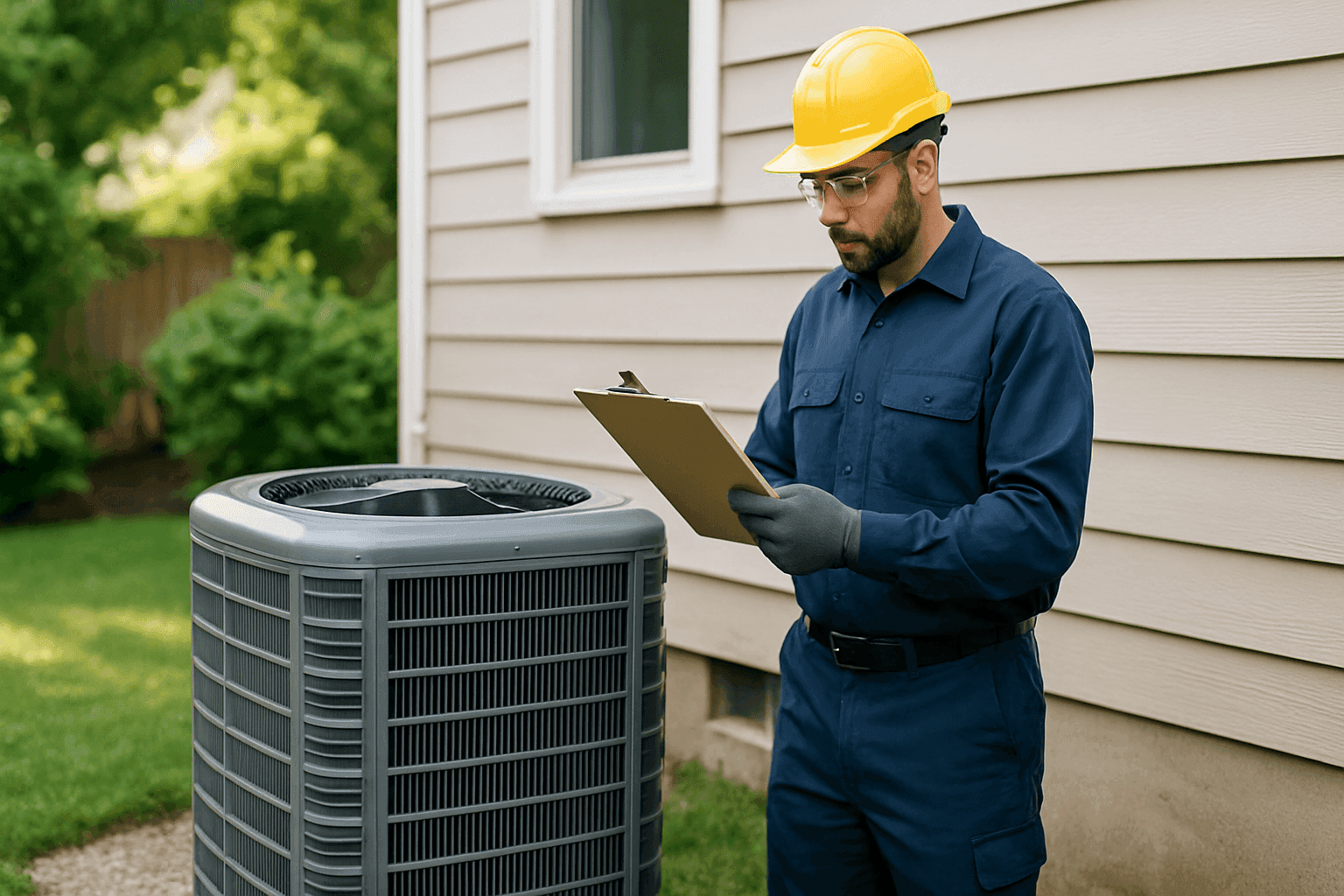
Your HVAC system is the heart and lungs of your home. When it runs smoothly, your family barely notices it—just crisp, clean air and the gentle hum of comfort. But when it breaks down, life grinds to a halt. Holidays, heatwaves, or late-night emergencies—sudden problems always strike at the worst moments.
Urban Cooling Services understands how vital year-round HVAC maintenance is for your peace of mind. Let’s walk through a practical checklist to keep your cooling system—and your home—prepared for anything.
Why Preventive Maintenance Matters 🛡️
Think of routine HVAC care like oil changes and tire checks for your car. Ignore them, and you risk breakdowns when you need reliability most. Regular attention helps:
- Prevent expensive emergency repairs.
- Extend your system’s lifespan.
- Maintain healthy indoor air quality (IAQ).
- Lower energy bills by keeping everything efficient.
The U.S. Department of Energy recommends annual professional checkups and monthly filter inspections. This simple investment pays off every season.
Monthly and Seasonal Tasks
Consistency is key. Here’s a straightforward rhythm for homeowners:
- Change or clean air filters (every 1–3 months). Dirty filters choke your system and fill your home with dust.
- Inspect vents and registers. Make sure nothing’s blocking airflow—furniture, rugs, pet beds.
- Check the thermostat. Does the temperature match what you feel? Replace batteries if it’s acting up.
- Clear debris from outdoor units. Leaves, grass, or branches crowding the condenser can overheat the system.
- Listen for odd noises. Clanking, rattling, or whistling may signal a loose part or airflow problem.
- Wipe down dehumidifiers and whole-house fans. Check for moisture or mold.
Seasonal steps:
- Spring: Schedule AC maintenance before the first heatwave.
- Fall: Book furnace or heat pump checks before cold snaps.
- Before holidays or travel: Test your system—nothing ruins a homecoming like a stuffy, broken AC.
What to Inspect and Clean
A few minutes each month can save hours (and dollars) later.
Focus on These Areas:
- Filters: Disposable? Replace. Washable? Rinse and dry fully.
- Ductwork: Peek at visible ducts for dust, mold, or leaks.
- Drain lines: Algae or blockages in AC drains can cause water damage—flush with vinegar solution if needed.
- Air scrubbers and purifiers: Replace bulbs or filters per manufacturer instructions.
- Thermostats: Wipe gently with a dry cloth; don’t spray liquids directly.
For homes with pets, allergies, or high humidity, consider dehumidifiers near you or advanced IAQ testing for added peace of mind.
When to Call a Professional 🛠️
Some jobs are perfect for DIY—others aren’t worth the risk.
Call Urban Cooling Services if you notice:
- Ice buildup on coils or lines.
- Persistent burning smells or electrical issues.
- Weak airflow, even after filter changes.
- Sudden spikes in energy bills.
- Water pooling around equipment.
Licensed technicians follow standards from the Air Conditioning Contractors of America (ACCA) and Occupational Safety and Health Administration (OSHA) for safe, effective service. We’re also on call for 24 hour emergency service—because breakdowns don’t wait for business hours.
What Pros Do On Arrival
Our trained team brings more than a wrench and a flashlight.
- Inspect refrigerant levels and test for leaks.
- Clean and calibrate thermostats, sensors, and controls.
- Tighten electrical connections and lubricate moving parts.
- Test safety systems and carbon monoxide detectors.
- Deep-clean coils, fans, and air scrubbers.
- Inspect and clean ductwork, recommending duct cleaning if needed.
- Advise on upgrades—like whole-house fans, mini-splits, or generator installation for backup power.
We document every step and point out issues before they become disasters.
Prevention & Maintenance Tips
Stay ahead of trouble with these habits:
- Mark filter changes on your calendar—set reminders.
- Keep outdoor units clear—no storage or clutter nearby.
- Test generator systems monthly if installed.
- Book energy audits every 2–3 years to spot insulation or airflow problems.
- Ask about smart thermostats to improve comfort and savings.
- For allergy-prone homes, consider duct cleaning every 3–5 years.
Costs & Time Factors
Routine maintenance costs much less than emergency repairs. Here’s what to expect:
- DIY filter changes: 5–10 minutes, minimal cost.
- Professional tune-up: 1–2 hours, varies by system type.
- Duct cleaning: 2–4 hours for most homes.
- Emergency repairs: Can take longer, especially during holidays or extreme weather.
Factor in your time, safety, and peace of mind when deciding between DIY and professional service.
When It’s an Emergency 🚨
Don’t wait if:
- No air flows, and it’s dangerously hot or cold.
- You smell gas, burning, or see sparks.
- Water is leaking fast near electrical parts.
- Your whole-house generator fails during an outage.
Turn off the system if it’s safe. Then call Urban Cooling Services—day or night. Know your breaker box location and have your system’s make and model handy.
Frequently Asked Questions
How often should I really change my HVAC filter?
Generally, every 1–3 months. If you have pets, allergies, or lots of dust, check monthly.
What’s the difference between a tune-up and a repair?
A tune-up is preventive: cleaning, testing, and adjusting parts before they break. Repairs fix problems after they happen.
Can I use any filter?
Always check your system’s specs. Using the wrong type can restrict airflow or damage equipment.
How do I know if I need duct cleaning?
If you see visible mold, dust blowing from vents, or smell mustiness—even after changing filters—it’s time for professional duct cleaning.
Local & Seasonal Considerations 🌦️
Weather extremes put extra stress on your HVAC. In humid summers, air balancing and dehumidifiers help prevent mold and discomfort. During winter holidays, more guests mean more demand—so schedule maintenance before family arrives.
If you live in an area with frequent outages, consider generator maintenance and installation. And always test systems before forecasted storms or travel.
Keeping your home comfortable shouldn’t be a guessing game. With this checklist, you can prevent most surprises—and know exactly when to call for help.
Call Urban Cooling Services now — or reach us anytime at 844-484-9744 .