Emergency AC Repair: What to Do Before Help Arrives
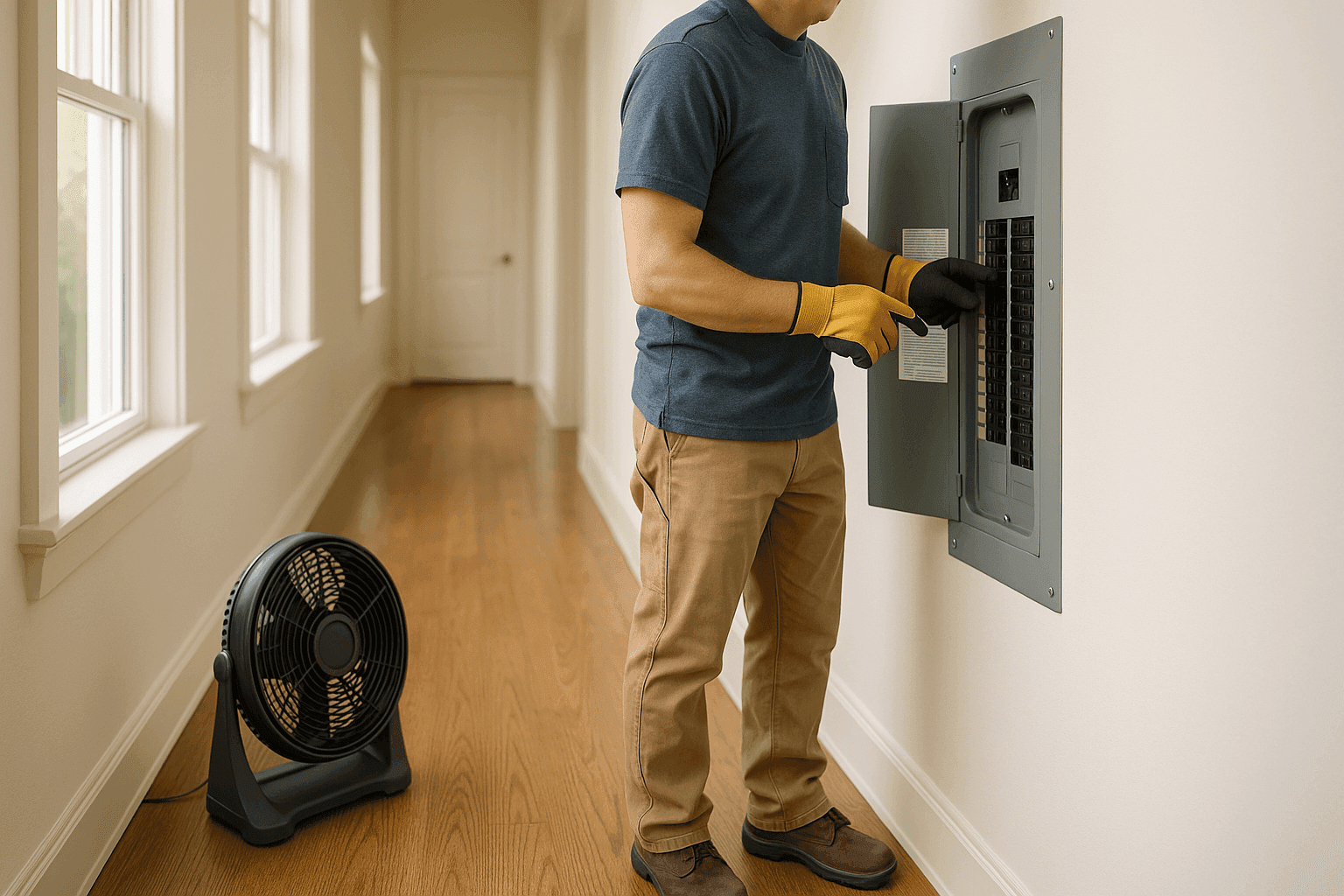
When your AC suddenly stops on a sweltering afternoon, it feels like the world presses pause. The air thickens. Sweat beads up. Your family looks to you for answers—and fast. At Urban Cooling Services, we understand how urgent cooling breakdowns can be, especially during heatwaves or holiday gatherings.
But before the cavalry arrives, there are a few simple, safe steps every homeowner can take to stay comfortable, avoid hazards, and help speed up repairs. Let’s walk through what to do when your AC calls it quits.
Signs of an AC Emergency 🚨
Not every cooling hiccup needs a red-alert response. But some warning signs mean you should act quickly:
- Complete loss of cooling (especially during dangerous heat).
- Burning smells or sparking near your unit.
- Unusual noises—think banging, screeching, or hissing.
- Water leaks pooling inside (not just condensation outside).
- Breaker trips repeatedly when the AC runs.
- Smoke or electrical odors from vents or the outdoor unit.
If you notice any of these, treat it like a flat tire on a highway—stop, assess, and don’t ignore it.
Immediate Steps to Take
Panic doesn’t fix an AC. Here’s what to do right away:
- Stay calm: Take a deep breath. Most issues aren’t dangerous when handled with care.
- Check your thermostat: Make sure it’s set to “cool” and the temperature is lower than the room.
- Inspect the breaker box: Look for flipped breakers. Reset only once. If it flips again, leave it off.
- Examine air filters: Dirty filters are a common culprit for weak or dead air. Replace them if clogged.
- Look for visible ice: If you see frost on the indoor coil or lines, turn the system off and let it thaw.
- Listen and sniff: Note any odd sounds or burning smells.
- Clear the area: Keep children and pets away from the unit.
These simple checks help rule out minor issues and give your technician a head start.
Safety Precautions
Your safety comes first—never risk it for a quick fix. Here’s what to avoid:
- Don’t open AC panels or handle wiring.
- Don’t use water or cleaning sprays near the unit.
- Avoid running the AC if it’s making loud noises or smells burnt.
- Never climb onto your roof to check outdoor units.
- Don’t use extension cords for permanent power to your system.
The U.S. Consumer Product Safety Commission warns that DIY electrical work is a leading cause of home fires. When in doubt, wait for a pro.
DIY vs. Call a Pro
Some issues are like a loose shoelace—easy to handle. Others are a knotted mess best left to experts. Here’s how to tell:
Safe for Homeowners:
- Changing air filters.
- Ensuring all vents are open and unblocked.
- Checking batteries in your thermostat.
- Resetting a tripped breaker once.
Leave to Professionals:
- Electrical repairs or wiring.
- Refrigerant leaks (federal law requires certified handling).
- Repairing motors, capacitors, or circuit boards.
- Diagnosing burning odors or smoke.
- Persistent water leaks inside walls or ceilings.
If it feels risky, it probably is. Urban Cooling Services techs are trained to handle the tough stuff—so you don’t have to.
What Pros Do On Arrival
When our team arrives, here’s what they’ll typically check:
- System diagnostics: Testing voltage, sensors, and safety switches.
- Refrigerant levels: Looking for leaks or blockages.
- Airflow: Inspecting ducts, vents, and blower motors.
- Thermostat operation: Confirming settings and calibrations.
- Indoor air quality: Checking for allergens, mold, or humidity issues.
- Safety compliance: Verifying everything meets building codes (see International Residential Code guidelines).
Our goal is to get your cooling running smoothly, safely, and efficiently—without guesswork.
Prevention & Maintenance
Most emergencies can be dodged with regular care—think of it as brushing your AC’s teeth. Here’s how:
- Schedule HVAC maintenance at least twice a year.
- Change filters every 1–3 months.
- Keep outdoor units clear of leaves and debris.
- Check dehumidifiers near you to reduce strain on your system.
- Ask for a home energy audit to spot hidden problems before they become emergencies.
- Test your thermostat seasonally, especially before summer.
The Department of Energy recommends these habits for long-term reliability and efficiency.
Costs & Time Factors
Emergency service is like calling a plumber on Christmas Eve—faster, but sometimes pricier. Here’s what can affect costs and repair times:
- Time of day: After-hours or holiday calls may increase rates.
- Type of failure: Electrical and refrigerant repairs usually take longer.
- Parts availability: Some components must be ordered.
- Age of system: Older units may need more labor to diagnose and fix.
- Severity: Water leaks or burned wires mean more time on site.
Most common emergencies are handled within a few hours, but complex issues may need a return visit.
When It’s an Emergency
If you have:
- Small children, elderly family, or pets at home during a heatwave.
- Indoor temperatures rising above 85°F for extended periods.
- Electrical burning smells or visible smoke.
- Flooding near electrical panels.
These are true emergencies. Don’t wait—call for help right away.
FAQ
How can I stay cool while waiting for repairs?
Close blinds, use portable fans, drink water, and limit stove/oven use. Avoid opening windows during peak heat.
Will running my AC with a dirty filter cause permanent damage?
It can. Blocked airflow strains your system, possibly leading to motor or compressor issues.
Is it safe to use window or portable AC units as backup?
Yes, if the outlets are not overloaded and cords are in good condition.
Can I use a generator for my AC if the power is out?
Only if your generator is sized and installed for it. Improper use can damage your AC or create fire hazards. Always follow manufacturer and local code guidelines.
Local/Seasonal Considerations ☀️
Summers are getting hotter and heatwaves more frequent. Holidays, too, can stretch repair times. Plan ahead:
- Book maintenance before peak seasons.
- Have backup cooling options (like fans or dehumidifiers near you).
- Know your emergency contacts.
- If you have a whole-house generator or energy storage, test it each season.
When the mercury spikes, a little prep can keep your home safe and comfortable.
When cooling emergencies strike, don’t go it alone. Take smart steps, stay safe, and let Urban Cooling Services handle the heavy lifting.
Call Urban Cooling Services now — or reach us anytime at 844-484-9744 .